The right mask for you as a hockey goalie
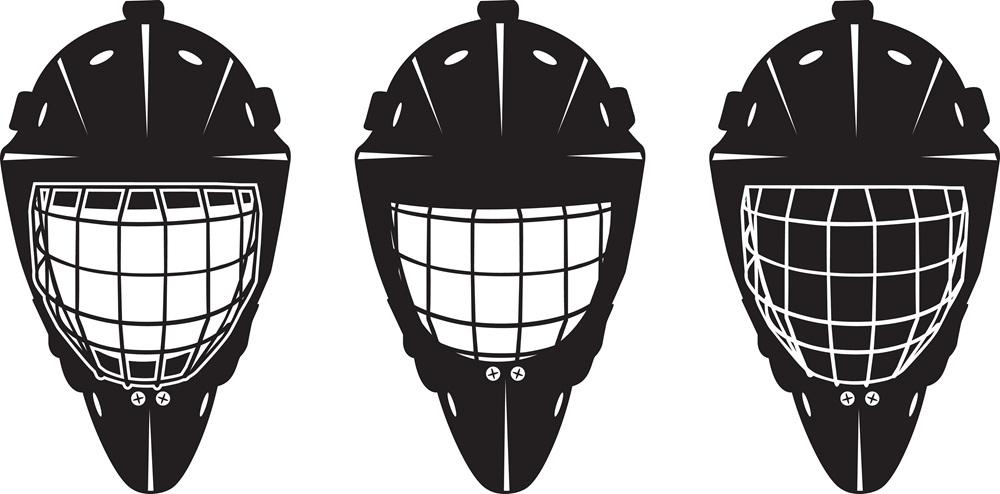
Playing as an ice hockey goaltender requires quick reactions, concentration and the confidence to face shots travelling at considerable speed. Unlike other players, the goaltender spends much of the game directly in the path of the puck. This makes protective equipment especially important, and few pieces are as essential as a properly fitted goalie mask.
A hockey goalie mask is designed to help protect the head and face against impacts from pucks, sticks and other contact during play. It also needs to provide sufficient visibility and remain securely positioned when the goaltender moves. Finding the right combination of protection, comfort and fit is therefore an important part of choosing equipment.
Goalie masks come in different sizes, constructions and price categories. Some are designed for younger players who are just learning the position, while others are intended for experienced goaltenders facing more demanding playing conditions. Although masks may look similar from the outside, differences in materials, padding and cage construction can affect their suitability.
Choosing a mask should never be based on appearance alone. The player’s head measurements, age, level of play and the manufacturer’s intended-use recommendations all matter. Understanding these factors makes it easier to select a mask that supports both safety and performance throughout the season.
Choosing a goalie mask with the right protection
The primary purpose of a goalie mask is to help protect the head and face during ice hockey. Goaltenders can be struck by pucks travelling at high speed, and impacts may occur from different angles. A suitable mask must therefore be designed specifically for the demands of the position.
Players looking for new equipment can take a look at a really good selection online, where Hockeystore.com offers goalie masks, replacement cages and accessories from manufacturers including Bauer, CCM and Warrior. The selection includes models for senior, junior and youth players, making it possible to compare equipment intended for different ages and playing levels.
The outer shell is one of the most important parts of the mask. Its construction helps manage and distribute impact forces, working together with the internal padding. Depending on the model, manufacturers may use different combinations of plastics, composite materials and reinforcement technologies.
Higher-priced masks often feature more advanced shell constructions and padding systems, although price alone does not establish whether a mask is appropriate for a particular player. A properly fitted model designed for the relevant level of hockey is more important than choosing equipment solely because it belongs to a premium product range.
The internal padding plays a significant role in how the mask sits against the head. It helps maintain contact between the mask and the wearer while contributing to impact management. Padding that is excessively compressed, damaged or poorly positioned can compromise the intended fit.
The cage provides protection for the face while allowing the goaltender to see the puck and surrounding players. Cage designs differ in bar arrangement, materials and compatibility with specific mask models.
Some cages offer a more open appearance than others, but not every cage design is approved for every league or age group. Goaltenders must check the requirements of their governing organisation before choosing a mask or replacement cage.
It is also important to understand that no hockey mask can prevent every injury, including concussion. Protective equipment can reduce certain risks, but it cannot eliminate the forces involved in a collision or direct impact.
For that reason, the mask should always be appropriate for the playing environment, correctly fitted and maintained according to the manufacturer’s instructions.
Finding the correct size and a secure fit
Even a well-constructed goalie mask may not provide its intended protection if it does not fit correctly. The mask needs to remain stable without creating excessive pressure on particular areas of the head.
The starting point is usually to measure the circumference of the head using a flexible measuring tape. The tape should follow the measurement position specified by the manufacturer, typically around the forehead and the widest part of the head.
This measurement can then be compared with the manufacturer’s sizing chart. However, head circumference is only one consideration. Head shape varies between individuals, and two masks with the same labelled size may feel noticeably different.
A properly fitted mask should sit securely around the head without excessive movement. The forehead, cheeks and other contact areas should be supported by the padding as intended by the manufacturer.
The mask should not feel loose when the player turns their head or makes quick movements. At the same time, uncomfortable pressure points may indicate that the shape or size is unsuitable.
The chin cup is another important component. It should be positioned according to the manufacturer’s fitting instructions so that the chin is supported and the mask remains correctly aligned.
Straps and fastening systems help secure the mask. They should be adjusted evenly and checked regularly, especially after the mask has been removed for cleaning or maintenance.
Visibility should also be assessed during fitting. The goaltender must be able to look forward, follow the puck and turn their head naturally without the mask shifting out of position.
For younger players, it can be tempting to purchase an oversized mask that will accommodate future growth. However, a mask that is too large may move during play and fail to fit as designed.
Children and teenagers should therefore use equipment that fits their current head size and is appropriate for their playing level. As they grow, the fit should be reassessed regularly.
Trying on different models can be valuable because manufacturers use different shell shapes and padding arrangements. A mask that fits one player perfectly may not suit another, even when their head measurements are similar.
Goalie masks for beginners and experienced players
The demands placed on a goalie mask vary according to the player’s age, skill level and playing environment. A child learning to skate and make basic saves has different requirements from an adult goaltender participating in competitive matches.
Youth goalie masks are designed for smaller head sizes and the intended conditions of younger players. They should not simply be regarded as smaller versions of every senior model, because construction and intended use can differ.
When selecting equipment for a young goaltender, parents and coaches should pay particular attention to manufacturer guidance and applicable league requirements. The mask must be suitable for the player’s current level and fit correctly.
Junior models generally accommodate growing players who have moved beyond youth sizes but do not yet require a senior fit. However, categories such as youth, junior and senior are not interchangeable across every manufacturer.
An adult player with a smaller head may find that a particular junior-sized model fits, but this does not automatically mean it is suitable for adult-level shots. The manufacturer’s intended-use guidance must take priority over size alone.
For recreational adult goaltenders, comfort and reliable protection remain essential. Playing only occasionally does not remove the possibility of receiving a hard shot or being involved in an unexpected collision.
Competitive goaltenders may have additional preferences regarding shell weight, ventilation, field of vision and padding feel. They often spend substantial time in their equipment and may notice small differences in balance and comfort.
However, lighter construction should never be prioritised at the expense of appropriate protection. The objective is to find equipment that combines suitable protective performance with a fit that allows natural movement.
The mask also needs to work with the rest of the goaltender’s equipment. Its lower edge should not interfere excessively with the chest protector when the player looks down or moves into a butterfly position.
This interaction can vary depending on the mask, chest protector and individual posture. Checking the complete equipment setup can therefore reveal fit problems that might not be obvious when trying on the mask alone.
Cages, throat protection and important accessories
The cage is a distinctive part of a goalie mask. It helps protect the face while allowing the player to see through the openings and track the puck.
Different cage designs can create slightly different visual experiences. Some players prefer particular bar arrangements because they find them less distracting when following play. Nevertheless, visibility must be considered alongside safety and approval requirements.
A replacement cage should be specifically compatible with the mask model. Similar-looking cages are not necessarily interchangeable, and incorrect installation may affect the mask’s protective performance.
Some replacement cages are intended for particular competitions or categories, while others may not satisfy the rules of certain leagues. Before purchasing one, it is important to confirm both compatibility and approval.
The fastening hardware is equally important. Screws, clips and other components must be in good condition and installed according to the manufacturer’s instructions. Missing or loose hardware should be addressed before the mask is used.
Many goaltenders also use a clear throat protector, sometimes called a dangler. This accessory hangs below the mask and provides additional coverage around part of the throat and neck area.
A dangler does not replace a suitable neck guard. The two pieces of equipment serve different protective purposes, and league rules may specify which forms of neck protection are mandatory.
The dangler must be attached securely using the appropriate method. It should move as intended without interfering excessively with the player’s vision or head movement.
Additional accessories may include replacement straps, chin cups, padding components and fastening hardware. When these parts become worn, replacements should be approved or specified for the particular mask.
It is not advisable to modify a mask by drilling new holes, changing the shell or installing unsuitable components. Such alterations may weaken the structure or invalidate the manufacturer’s safety recommendations.
Some goaltenders also choose customised paintwork or graphics. Personalisation can give a mask a distinctive appearance, but any painting or modification should follow the manufacturer’s guidance to avoid damaging the shell or its materials.
Maintaining your goalie mask throughout the season
A goalie mask is exposed to sweat, moisture and repeated handling during practices and matches. Regular maintenance is therefore important for hygiene, comfort and the condition of its protective components.
After each session, the mask should be allowed to dry in a well-ventilated environment. Leaving it inside a closed equipment bag for long periods can encourage unpleasant odours and moisture-related deterioration.
The internal padding can be cleaned according to the manufacturer’s recommendations. Harsh chemicals, unsuitable solvents and excessive heat should be avoided because they may damage the materials.
The cage should be checked for bent bars, cracks, corrosion and damaged attachment points. Even relatively small defects can indicate that the component needs professional assessment or replacement.
The shell also deserves careful inspection. Visible cracks, deformation or damage around mounting points should never be ignored. If the mask has received a significant impact, it should be examined in accordance with the manufacturer’s instructions, even when obvious damage is not immediately visible.
A mask that has sustained a substantial impact may need to be replaced. Protective materials can be affected in ways that are not readily apparent from the outside.
Straps, clips and the chin cup should be checked regularly for wear. If they no longer hold the mask securely, the fit may change during play.
The condition of the padding is particularly important. Over time, padding can compress, deteriorate or lose its original shape. This may alter how the mask sits on the head and reduce the effectiveness of its intended fit.
There is no single replacement interval that applies to every goalie mask. Age, frequency of use, impacts, storage conditions and manufacturer recommendations all influence when replacement becomes necessary.
Goaltenders should also reassess the fit periodically. Changes in head size, padding condition or the way the mask is worn can affect comfort and stability.
When choosing a new goalie mask, it is worth taking the time to compare different constructions, understand the relevant safety requirements and find a model that fits correctly. A suitable mask should remain secure, provide clear visibility and be designed for the level of hockey being played.
With careful selection and regular maintenance, the right goalie mask becomes a dependable part of the goaltender’s equipment. It allows players to focus on positioning, reading the game and developing their skills while taking appropriate precautions against the risks of playing in goal.