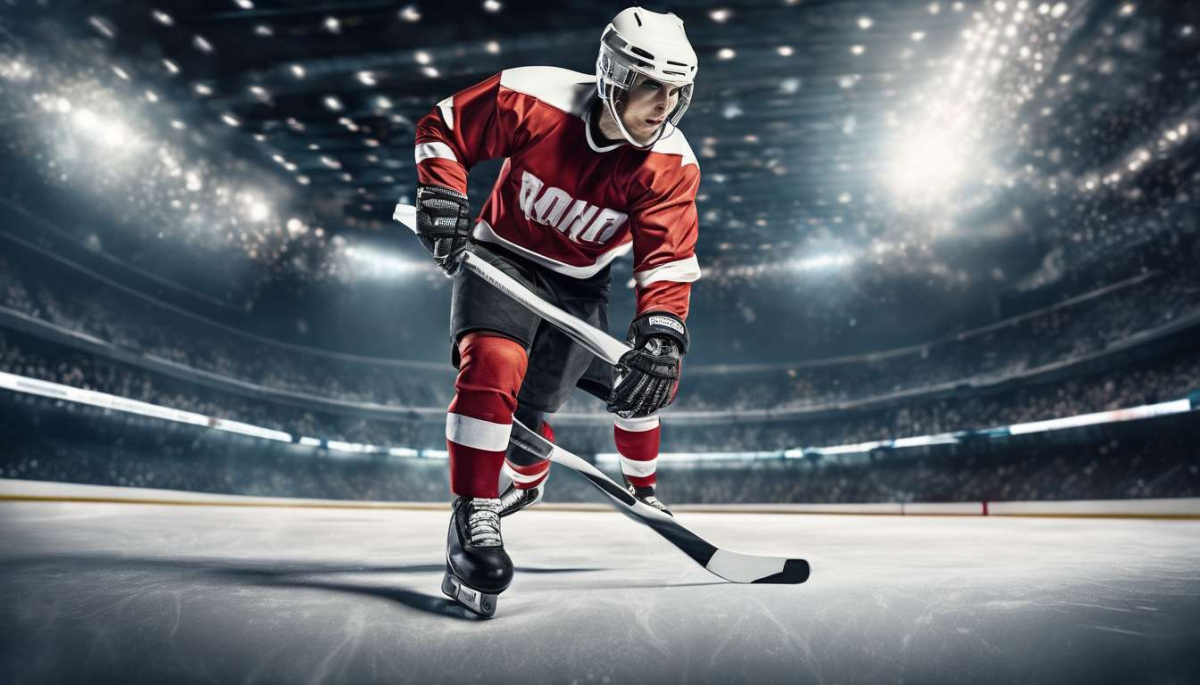
Helmet an important detail as a hockey player
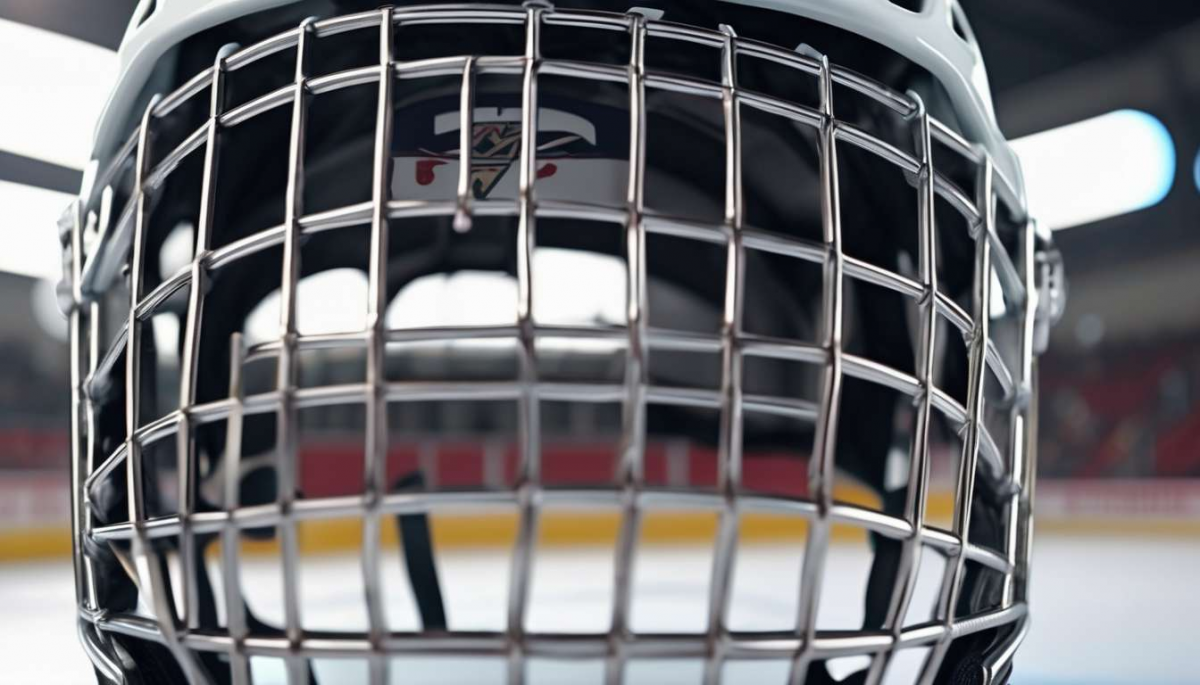
Recognizing the Risks in Ice Hockey
The importance of helmets in ice hockey becomes undeniable when considering the contrast between amateur and professional players’ safety protocols. While protective headgear is often mandatory in professional leagues, surprising discrepancies exist at the amateur level, where many still underestimate the necessity of a helmet.
Historical Context and Consequences
Historical cases of head injuries have shown that such oversight can lead to long-lasting physical and cognitive impairments. This contrast highlights a critical disparity in safety practices between differing levels of play.
Implications of Disparity
- Unprotected players are at heightened risk.
- It underscores the evolution of safety standards within the sport.
Necessity of Protective Measures
Ice hockey, known for its high-speed action and physicality, demands rigorous adherence to protective measures. As research continues to demonstrate the effectiveness of helmets in preventing severe injuries, it is imperative to bridge the gap between differing safety practices.
Conclusion
Ensuring all players are adequately protected, regardless of their level of expertise or location, is crucial for the safety and sustainability of the sport.
To ensure you’re adequately protected, it’s essential to find the best option online for a high-quality helmet that meets safety standards.
Importance of Wearing Helmets in Hockey
Helmets play a crucial role in protecting hockey players from head injuries and concussions. In a sport characterized by high-speed play and physical contact, the importance of wearing helmets cannot be overstated. Helmets are designed to absorb and dissipate impact forces, significantly reducing the risk of serious head injuries.
As a fundamental safety measure, helmets enhance the overall safety of the game, fostering a sense of security and belonging among players and fans alike. The assurance that helmets provide allows players to engage fully in the sport, knowing that a key safety component is in place.
The technology and materials used in helmet design have evolved significantly, incorporating advanced features that further enhance safety. The implementation of stringent safety standards ensures that all helmets meet rigorous criteria, offering optimal protection.
By prioritizing helmet use, the hockey community collectively upholds a culture of safety and responsibility. This shared commitment to safety reinforces a sense of unity and trust that is vital to the integrity of the sport.
Professional vs. Amateur Safety Practices
Professional Hockey Players and Safety Practices
Professional hockey players adhere to stricter safety practices than amateur players due to:
- League regulations
- Access to advanced protective equipment
Helmet Safety in Professional Leagues
- Helmets undergo rigorous testing to ensure maximum protection against head injuries.
- Athletes benefit from the latest innovations in helmet technology, designed to reduce the risk of concussions and other head trauma.
This commitment to safety reflects the collective responsibility to protect players on the ice, fostering a sense of security within the professional community.
Amateur Players and Safety Limitations
In contrast, amateur players often face:
- Less stringent regulations
- Access to standard equipment
While many amateur leagues promote helmet use, the quality and effectiveness can vary significantly. This disparity potentially increases vulnerability to head injuries among amateur athletes.
Importance of Uniform Safety Standards
The differences between professional and amateur safety practices underscore the importance of:
- Raising awareness
- Striving for uniform safety standards across all levels of play
Emphasizing safety practices promotes a culture where all players, regardless of skill level, feel valued and protected.
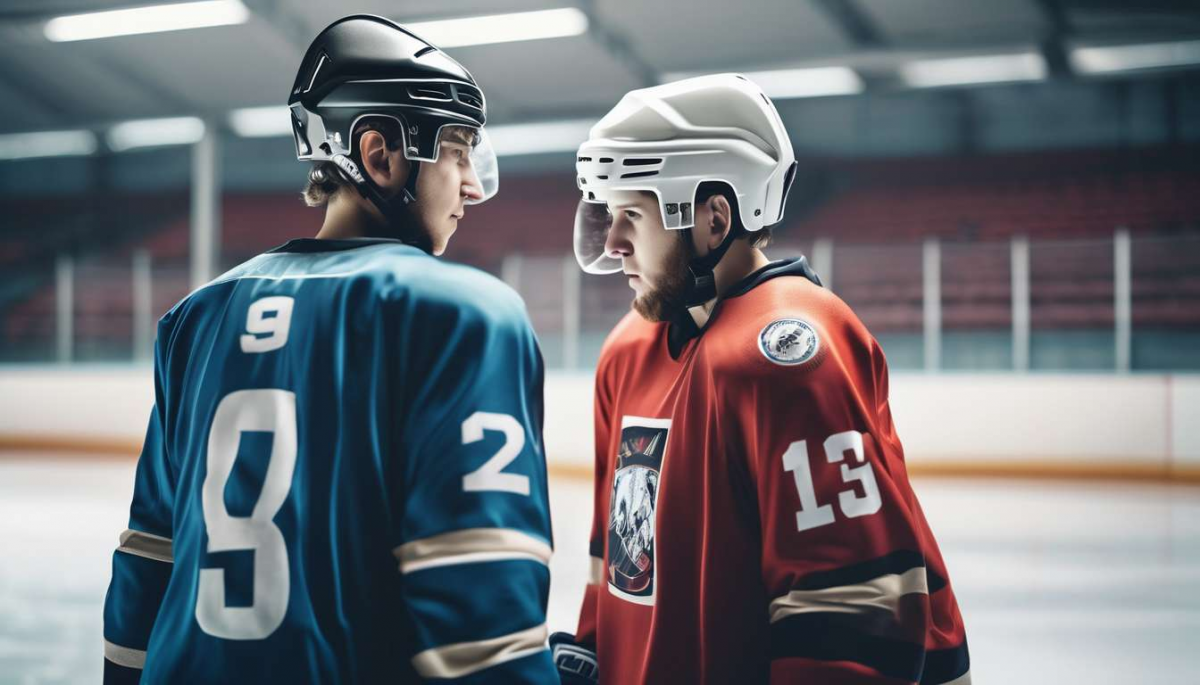
Historical Head Injury Cases
Throughout hockey’s history, numerous incidents of head injuries have highlighted the critical need for improved protective measures. Notable cases have underscored the importance of wearing helmets to enhance safety on the ice. Historical accounts reveal that players in earlier eras often faced significant risks due to inadequate head protection. These incidents have contributed to a growing awareness within the hockey community about the necessity of robust safety protocols.
Head injuries, such as concussions and skull fractures, have had lasting impacts on many players’ careers and lives. The gravity of these injuries has driven technological advancements in helmet design, aiming to provide comprehensive protection. Efforts to mitigate the risk of head injuries have resulted in the development of helmets that:
- Absorb impact
- Reduce the likelihood of severe trauma
The collective experience of the hockey community has fostered a culture that prioritizes player safety. Recognizing the lessons from past incidents ensures that current and future generations can play with confidence and security.
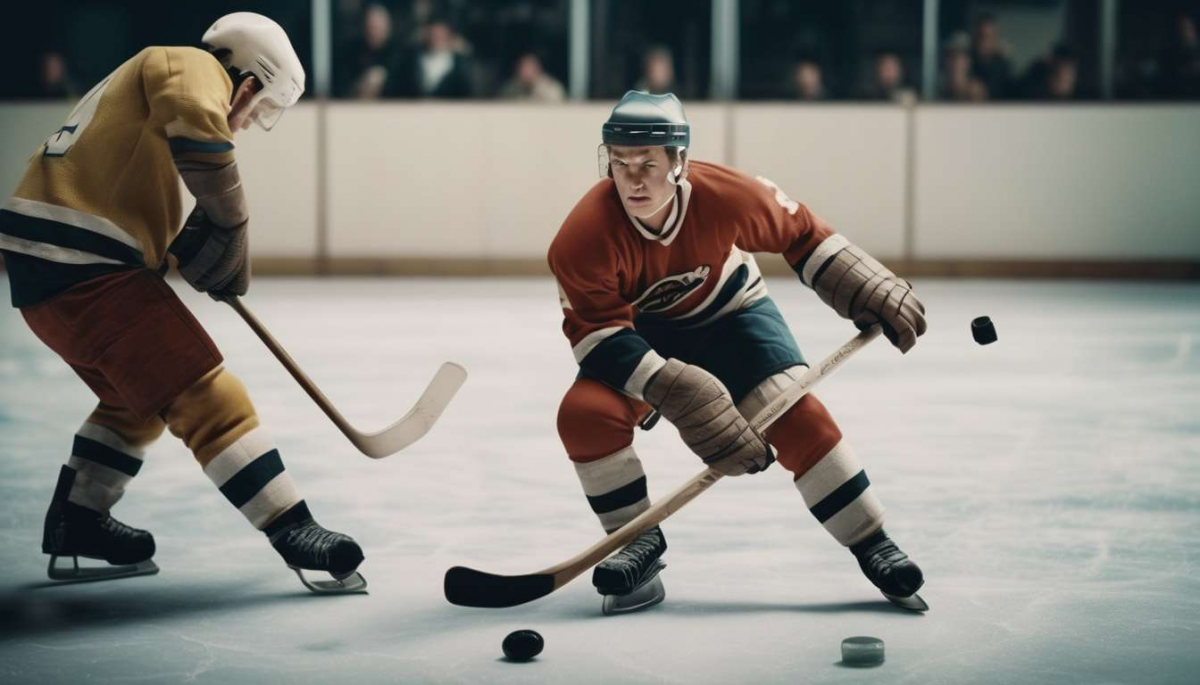
Disparity in Safety Standards
Inconsistent safety standards across different hockey leagues and organizations have created significant challenges in ensuring uniform protection for all players.
Variations in regulations concerning helmets significantly impact the level of safety provided, exposing players to differing risks of head injuries. These disparities arise from diverse organizational policies and the absence of a universally accepted safety benchmark. Consequently, players in some leagues may benefit from advanced helmet technologies, while others contend with outdated equipment.
Efforts to address these inconsistencies are vital to fostering a sense of security and community within the hockey world.
Standardized safety protocols would bridge the gap, ensuring that all players, regardless of league affiliation, receive equal protection. This would not only mitigate the risk of head injuries but also promote a collective commitment to player welfare.
The pursuit of uniform safety standards in hockey helmets represents a crucial step toward enhancing player safety.
Establishing consistent regulations across leagues can strengthen the bonds within the sport, reflecting a shared dedication to safeguarding athletes.
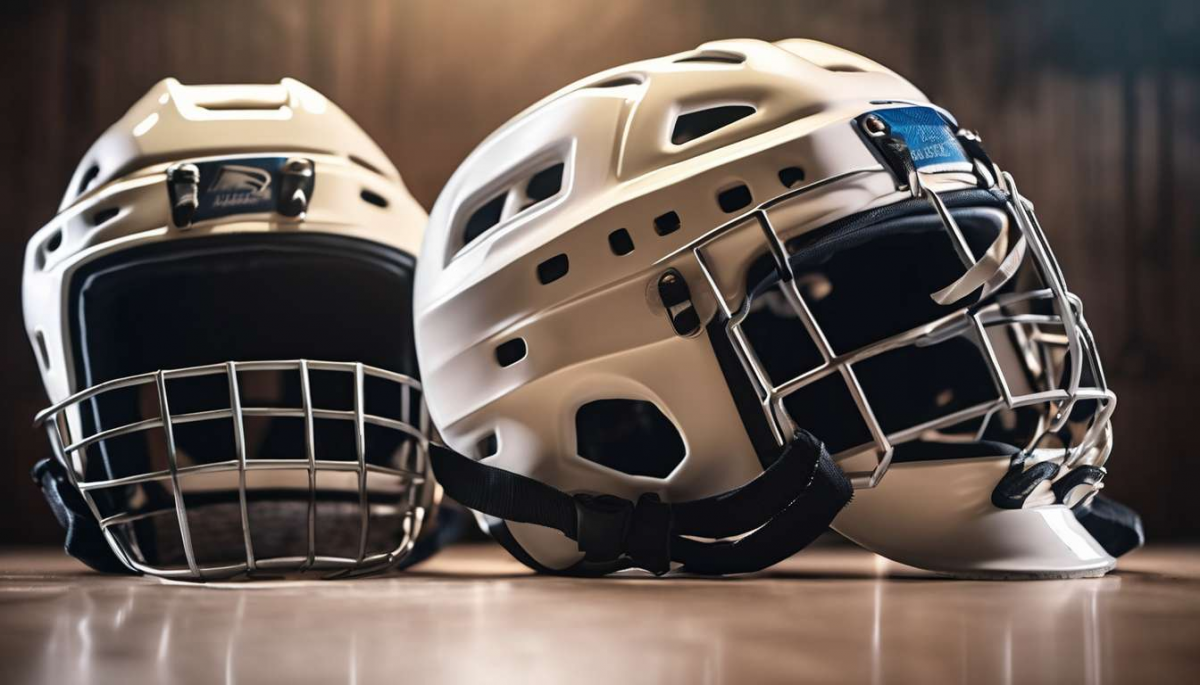
Necessity of Protective Gear
Protective Gear in Hockey
Protective gear plays an essential role in reducing the risk of injuries in hockey, underscoring the importance of comprehensive safety measures for players. Within the high-paced and physically demanding environment of hockey, helmets serve as a critical component in safeguarding against head injuries.
By prioritizing safety through the use of helmets, players contribute to a culture that values health and well-being, fostering a sense of unity and collective responsibility among team members.
Additional Protective Equipment
In addition to helmets, other protective gear provides necessary defense against potential harm:
- Mouthguards
- Shoulder pads
- Shin guards
This equipment acts as a barrier, mitigating the impact of collisions and falls, which are frequent occurrences in the sport.
Creating a Safety-Focused Environment
By maintaining a standard of protective gear, teams can create an environment where safety is paramount. This allows players to focus on performance without compromising their health.
The commitment to comprehensive protective measures cultivates a cohesive community dedicated to preserving the well-being of every participant.
Safeguarding Players in Ice Hockey
In ice hockey, robust safety protocols and protective gear are crucial to minimizing the risk of injuries and ensuring players’ well-being. The implementation of comprehensive safety measures, particularly the use of helmets, plays a significant role in reducing the likelihood of head injuries.
Helmets are designed to absorb and dissipate impact forces. They are essential in safeguarding players from potential concussions and other traumatic brain injuries. The importance of helmets extends beyond individual protection, fostering a culture of safety within the sport.
League regulations mandate the use of certified helmets, emphasizing their role in player safety. Continuous advancements in helmet technology aim to enhance protection levels, reflecting a commitment to player welfare.
Education on proper helmet fitting and maintenance further contributes to effective injury prevention. The integration of safety practices ensures a supportive environment where athletes can perform confidently, knowing their well-being is prioritized.
This collective effort underscores the shared responsibility of safeguarding all participants in the dynamic world of ice hockey.